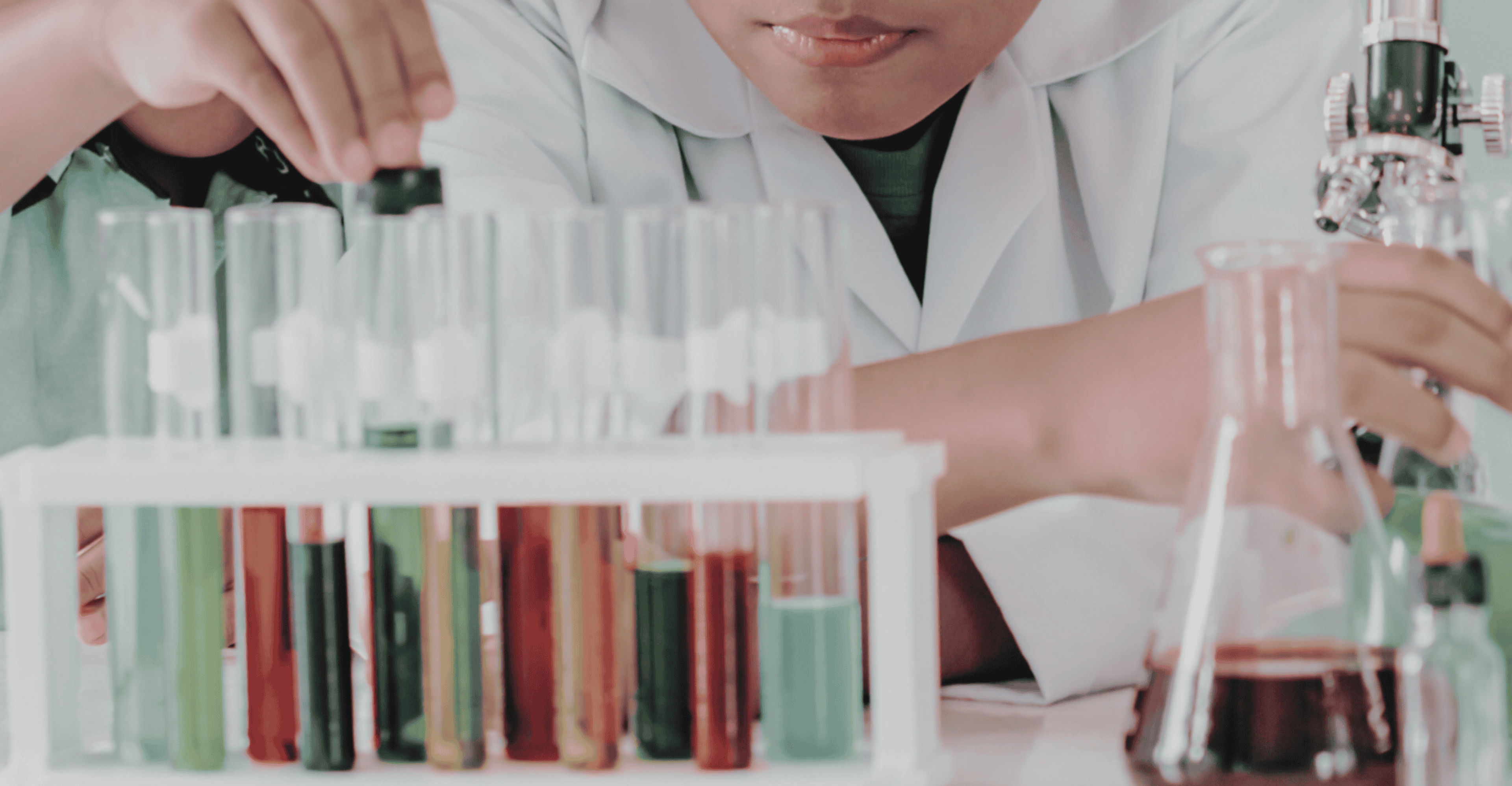
Kitchen mix lab
Mix, pour, and experiment with everyday wet and dry ingredients in this open-ended kitchen play.
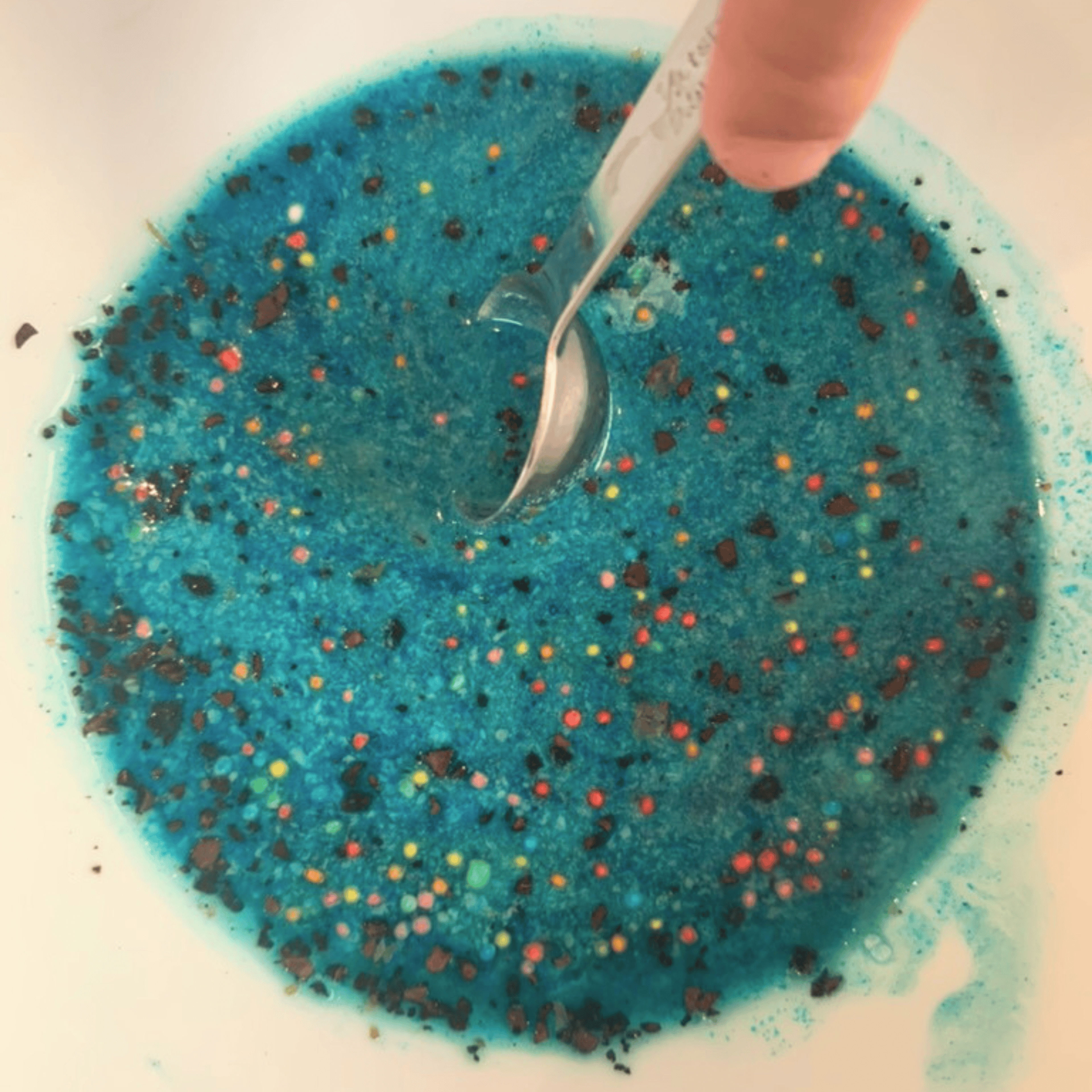
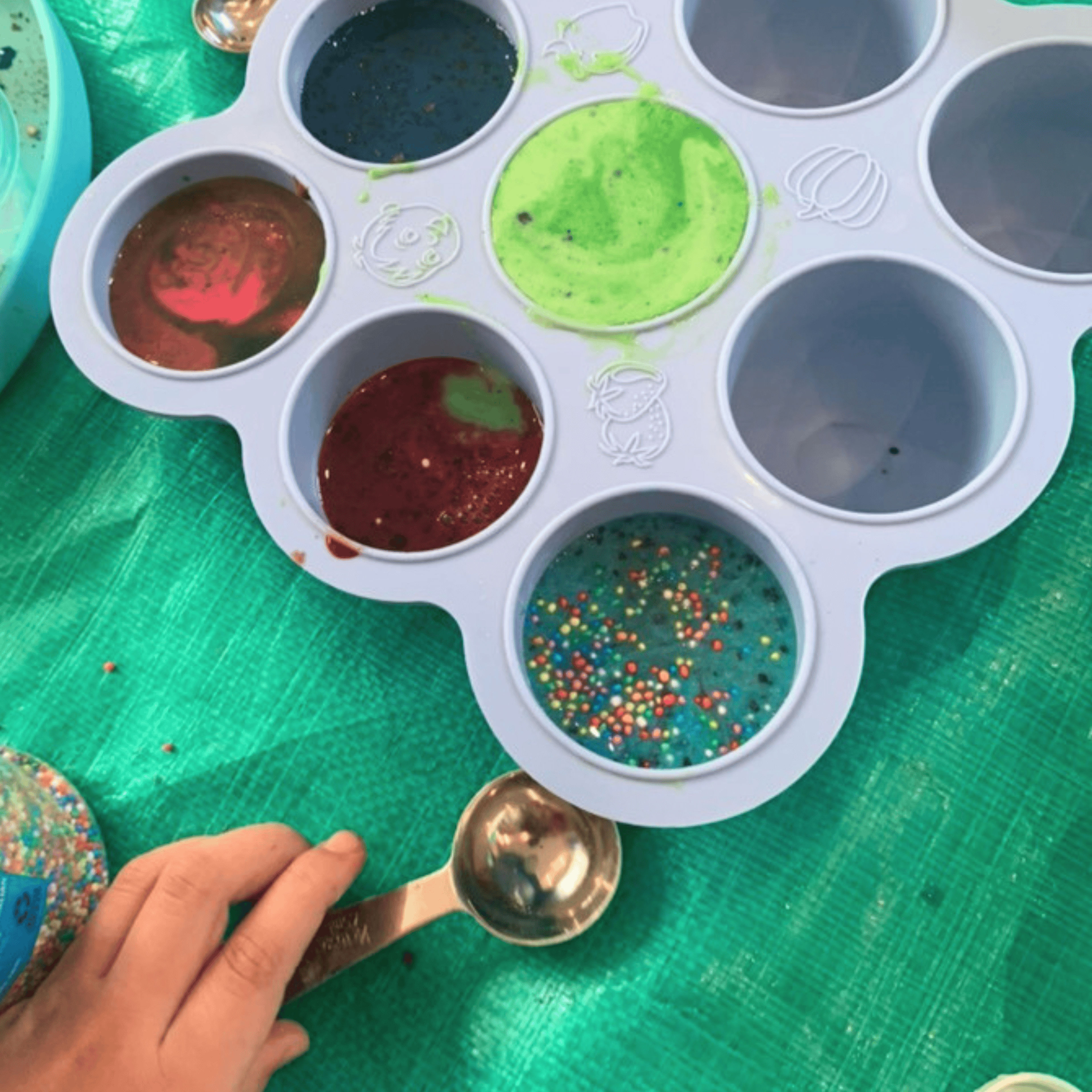
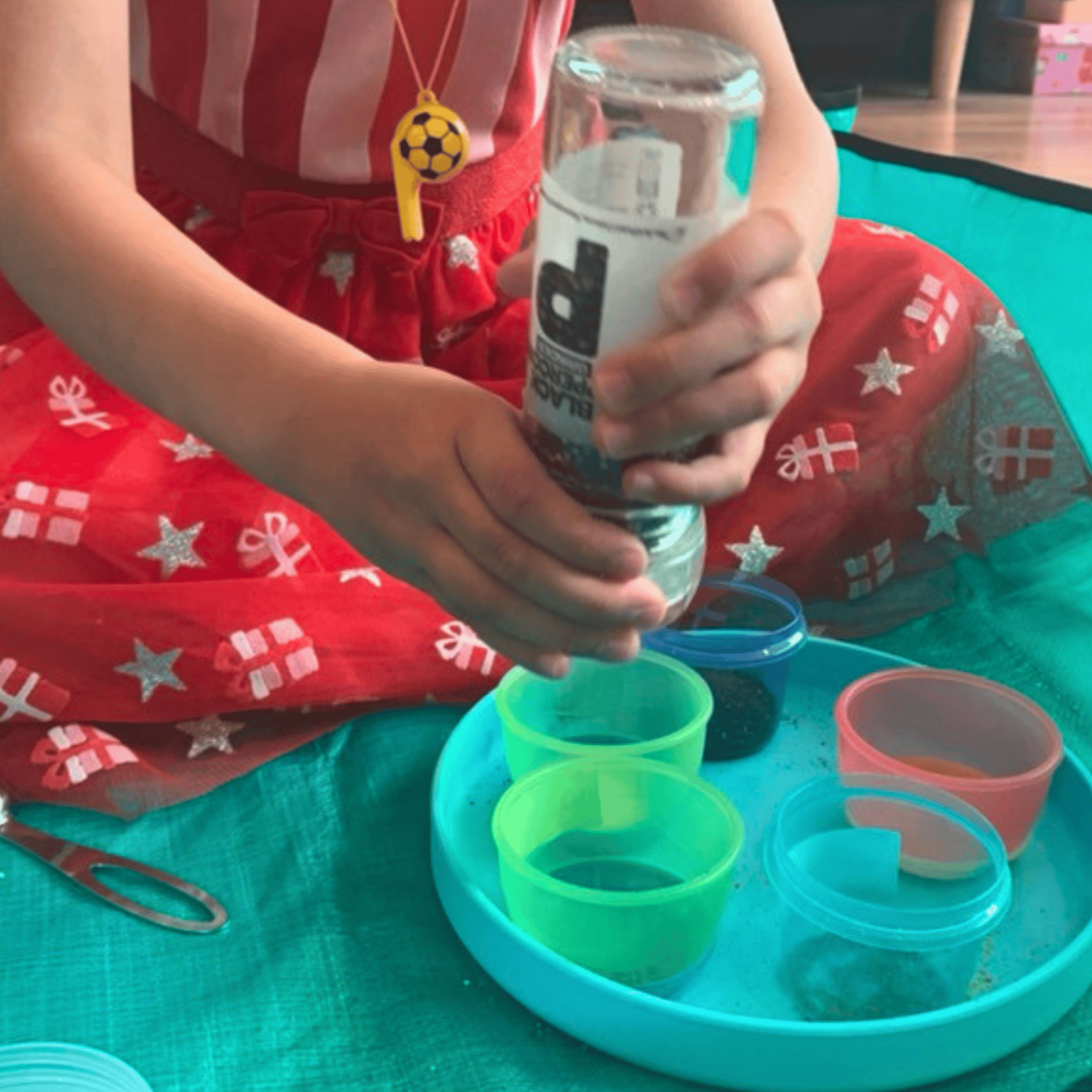
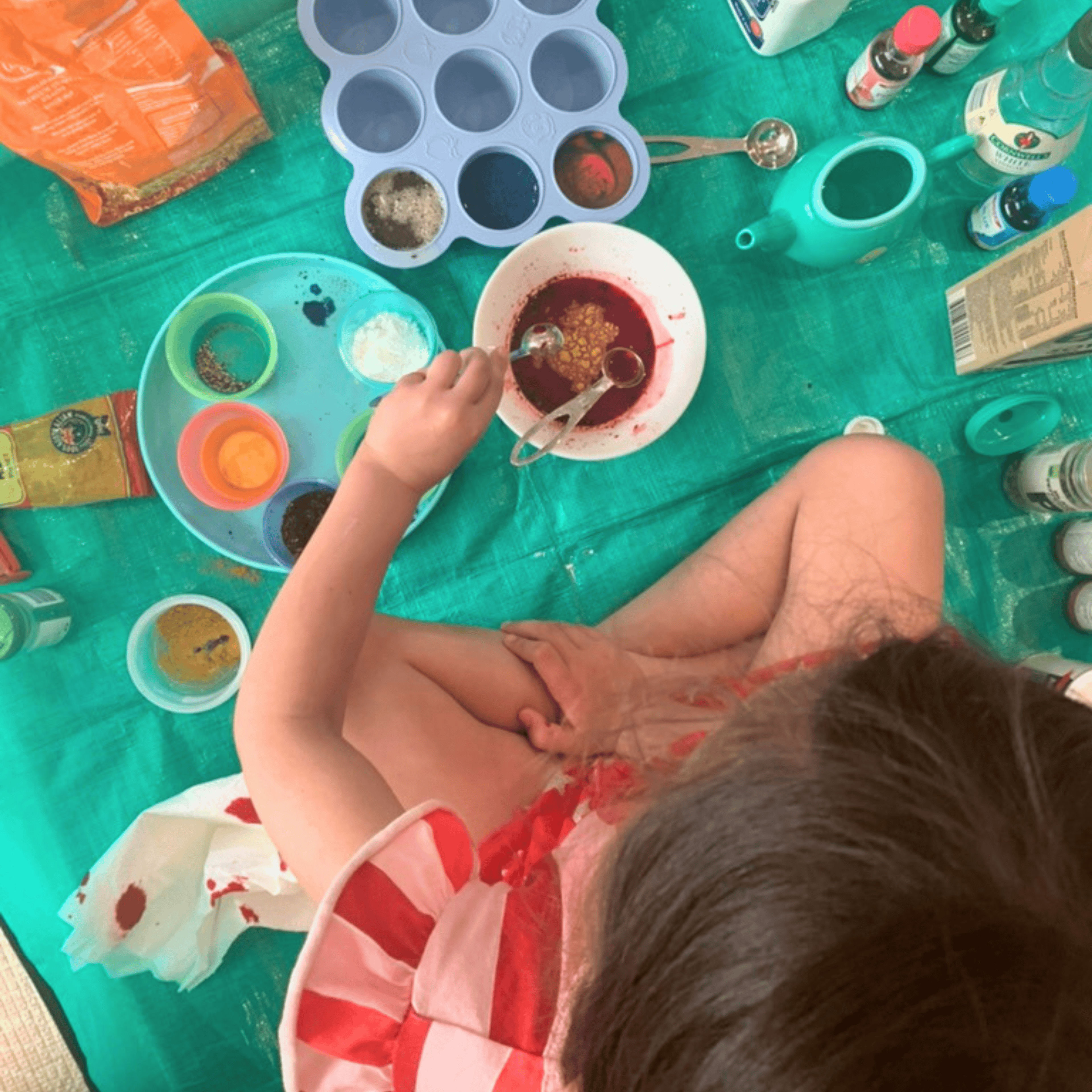

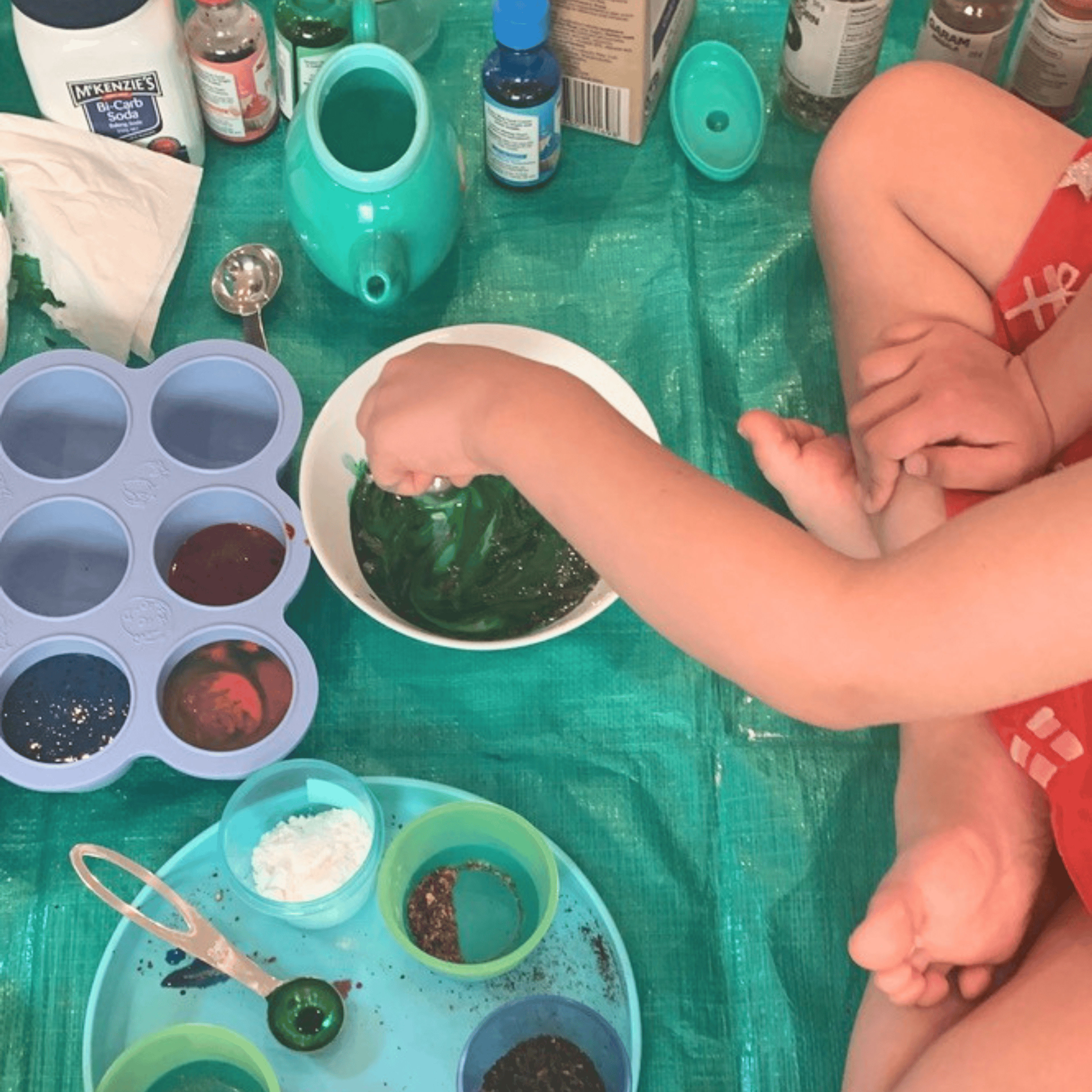
Turn your kitchen into a mini discovery space with this simple experimental play invitation!
Set out a mix of wet and dry ingredients (e.g. water, milk, vinegar, dish soap, food colouring, coffee beans, dried herbs, sprinkles, bicarb), along with a few basic tools for scooping, pouring, and mixing. From there, the play unfolds naturally.
This is all about open-ended exploration. You can combine ingredients, observe changes, create textures, and follow your curiosity wherever it leads. There is no right or wrong outcome, just the experience of experimenting, noticing, and discovering.
The contrast between wet and dry elements adds an extra layer of sensory interest, from fizzing reactions to new colours and textures, offering a calming, hands-on way to slow down and be present.
For children, this kind of play supports sensory exploration, early science concepts, fine motor skills, and creative thinking. Gentle exposure to a variety of food items in a low-pressure, playful context can also support familiarity for picky eaters over time.
For grownups, it offers a chance to step into curiosity, enjoy a mindful moment, and share in the joy of discovery.
Whether it turns into a full experiment session or a quiet independent activity, this simple setup invites learning through play in the most natural way.
Materials
Prep
Step 1:
Choose a space such as a kitchen bench, table, mat, or outdoor area.
Step 2:
Set out wet and dry ingredients in small containers.
Step 3:
Provide tools for scooping, pouring, and mixing.
Step 4:
Place everything on a tray or mat to contain mess if needed.
Play
Step 1:
Explore and combine the ingredients freely.
Step 2:
Encourage pouring, scooping, mixing, and observing changes.
Step 3:
Notice textures, colours, smells, and any reactions.
Step 4:
Follow curiosity and experiment with different combinations.
Step 5:
Reset or refresh ingredients as needed to continue play.
Extend
Fizzing Fun: Add vinegar to bicarb for exciting bubbling reactions. (See our play idea)
Magic Milk: Add food colouring swirls to milk then see what happens when you add dish soap! (Check out the for details!)
Scent Play: Explore different herbs and spices through smell.
Tool Swap: Introduce new tools like funnels or syringes for variety.
Temperature Twist: Try warm vs cold water (or add ice) to notice differences.
Overnight experiment: Leave the results to dry overnight and see if any changes have occurred to textures, smells, etc.