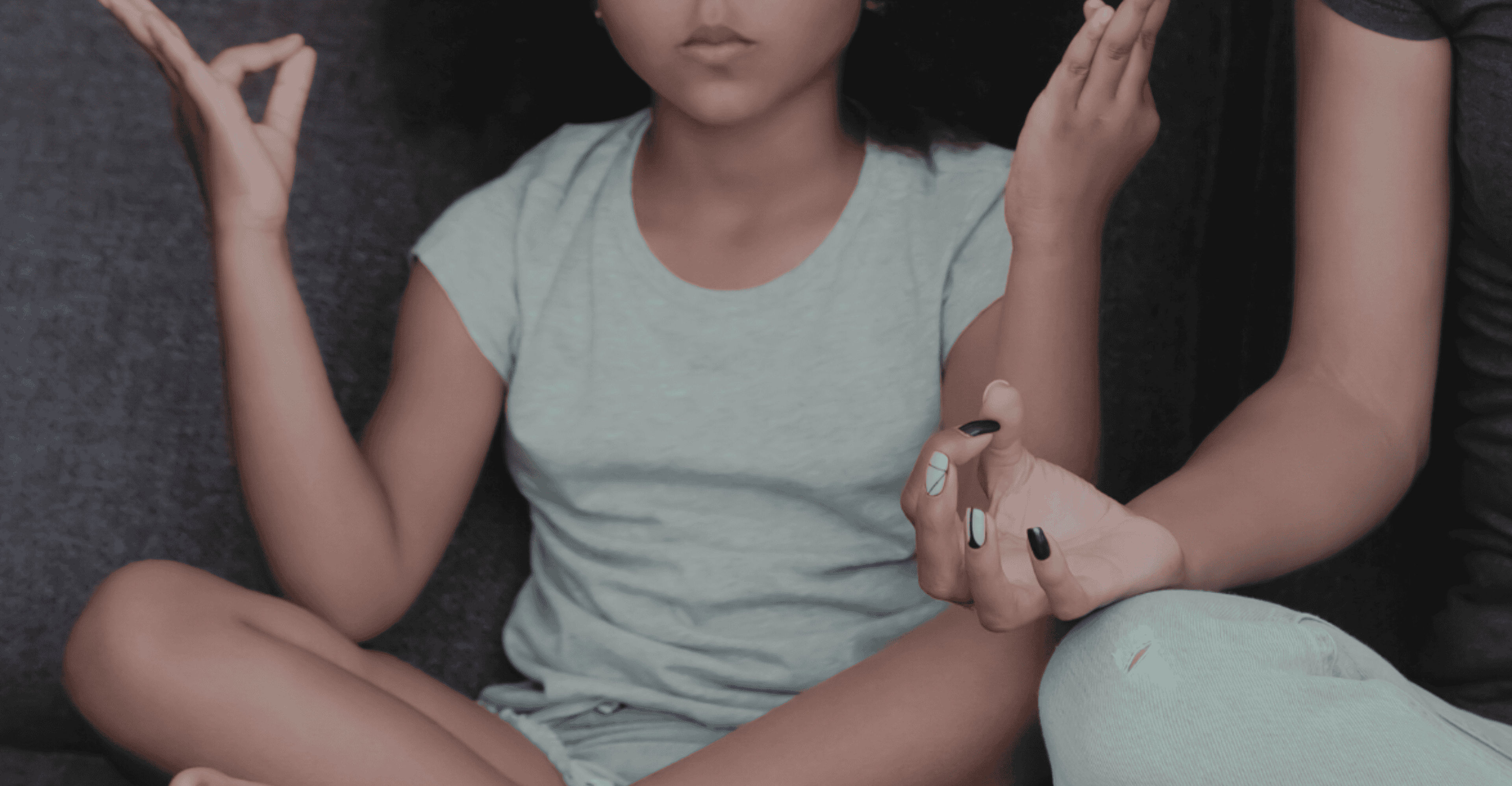
Play dough diversity lesson
Gently introduce ideas of diversity, inclusion and belonging through this sensory-rich play dough activity.


This play idea uses something children already love - play dough - as a hands-on way to explore big ideas like diversity and inclusion in an age-appropriate, grounded way.
By rolling, colouring, kneading, and mixing dough, children can see and feel how things can look different on the outside while still being made of the same thing on the inside.
The focus stays firmly on play: noticing smells, textures, and colours, and enjoying the transformation in their hands. Alongside this, grownups can gently weave in simple conversations about how people can look different too - with different skin tones, hair, bodies, or abilities - while all sharing the same feelings like happy, sad, excited, or worried.
Notes:
- It’s not about having the "perfect" conversation or explaining everything at once. It’s about creating small, positive moments where curiosity, empathy, and inclusion are normalised - supported by sensory experiences that help abstract ideas land more naturally.
- Young children notice differences naturally - talking about them openly and positively helps prevent stigma.
- This activity can also open gentle conversations about invisible differences, like feelings, abilities, or needs.
- Don’t worry if your child seems more interested in the dough than the discussion - that’s still learning. Inclusion is a long game, built through many small moments.
Materials
Prep
Step 1:
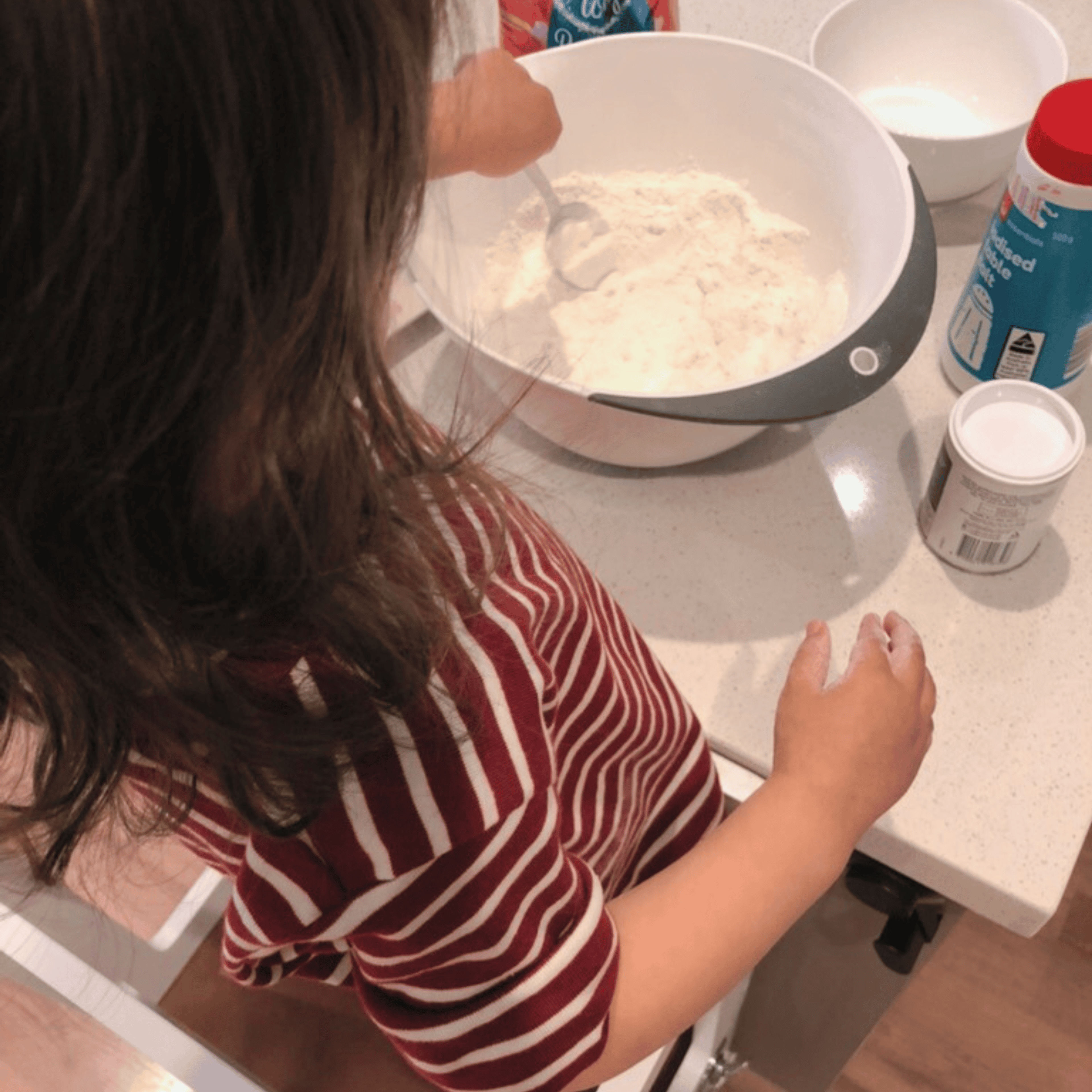
Make a batch of plain-coloured play dough together (or ahead of time). Use our !
Step 2:
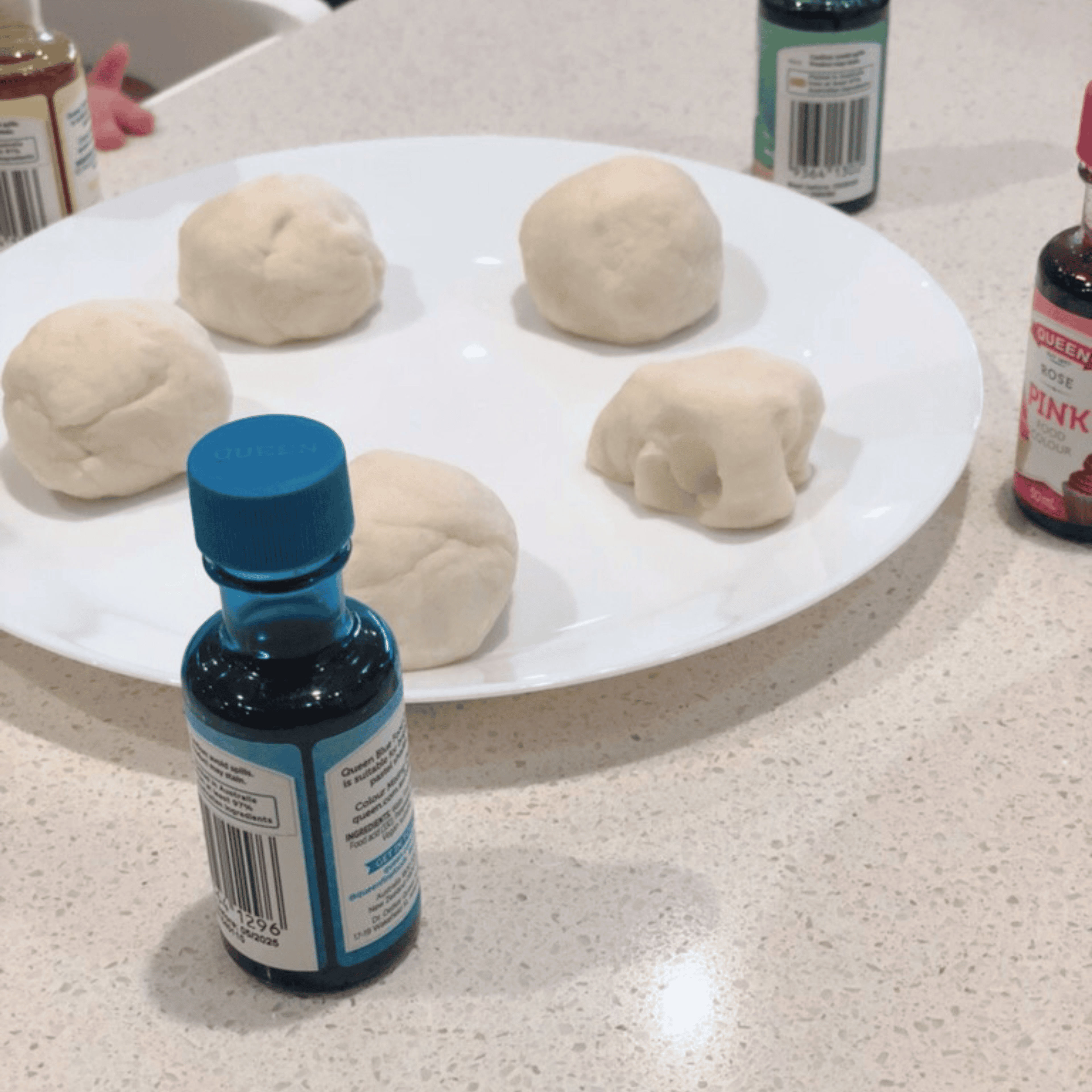
Choose a few food colouring colours.
Step 3:
Invite your child to roll the dough into small balls - one for each colour.
Play
Step 1:
Explore the plain dough together - notice how it smells, feels, and stretches.
Step 2:
Add a small drop of food colouring to each ball.
Step 3:
Knead the colour in and watch how each ball changes and looks different.
Step 4:
Talk gently about what’s the same and what’s different - does it still feel the same? Smell the same?
Step 5:
Let your child mix colours freely and play.
Step 6:
While they play, take a short moment to have a relaxed chat about how people look different on the outside, but inside we’re all humans with feelings like "happy" or "sad" (adjust your language to their age / development level). Go lightly, keep it playful, and always follow their lead.
Some example conversation starters:
"These look different - but what do you notice that’s the same?” “How does this one feel compared to the others?” “People can look different too. What feelings do we all have inside?” “How does playing with a lot of different colours make you feel?”
Extend
Colour Mixing Play: Explore what happens when colours blend together.
Face play: Design faces or people with all different features and emotions
Invisible difference chat: Hide different objects in the same colour play dough balls. Gently introduce that some differences aren’t visible - like how some people have varying eyesight, need quiet spaces, or extra help learning.
Story starter: Make some dough people in a mini role-play about friendship, belonging or welcoming someone new.