Nature faces
Create playful faces using loose parts from nature like leaves, shells, sticks, and stones.
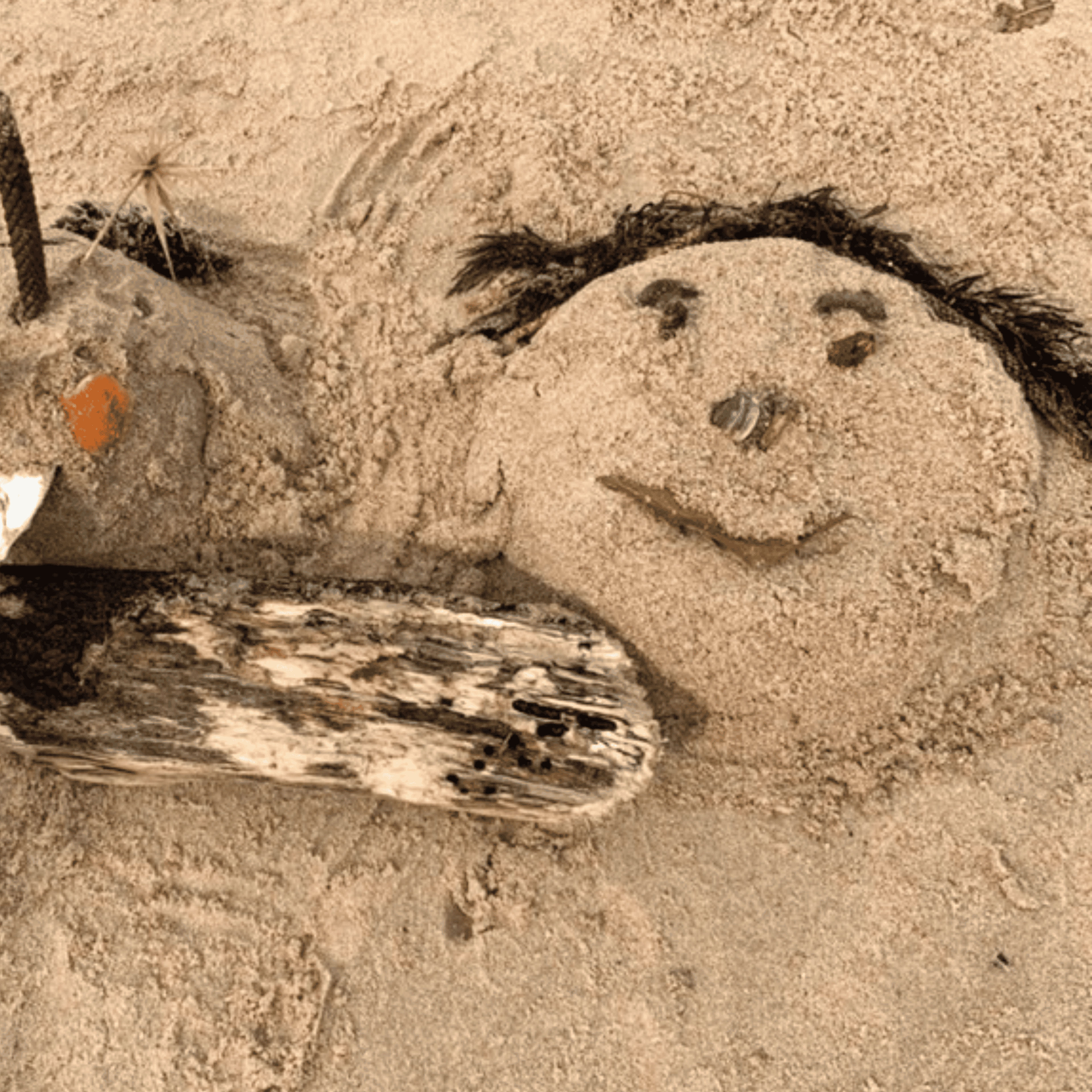
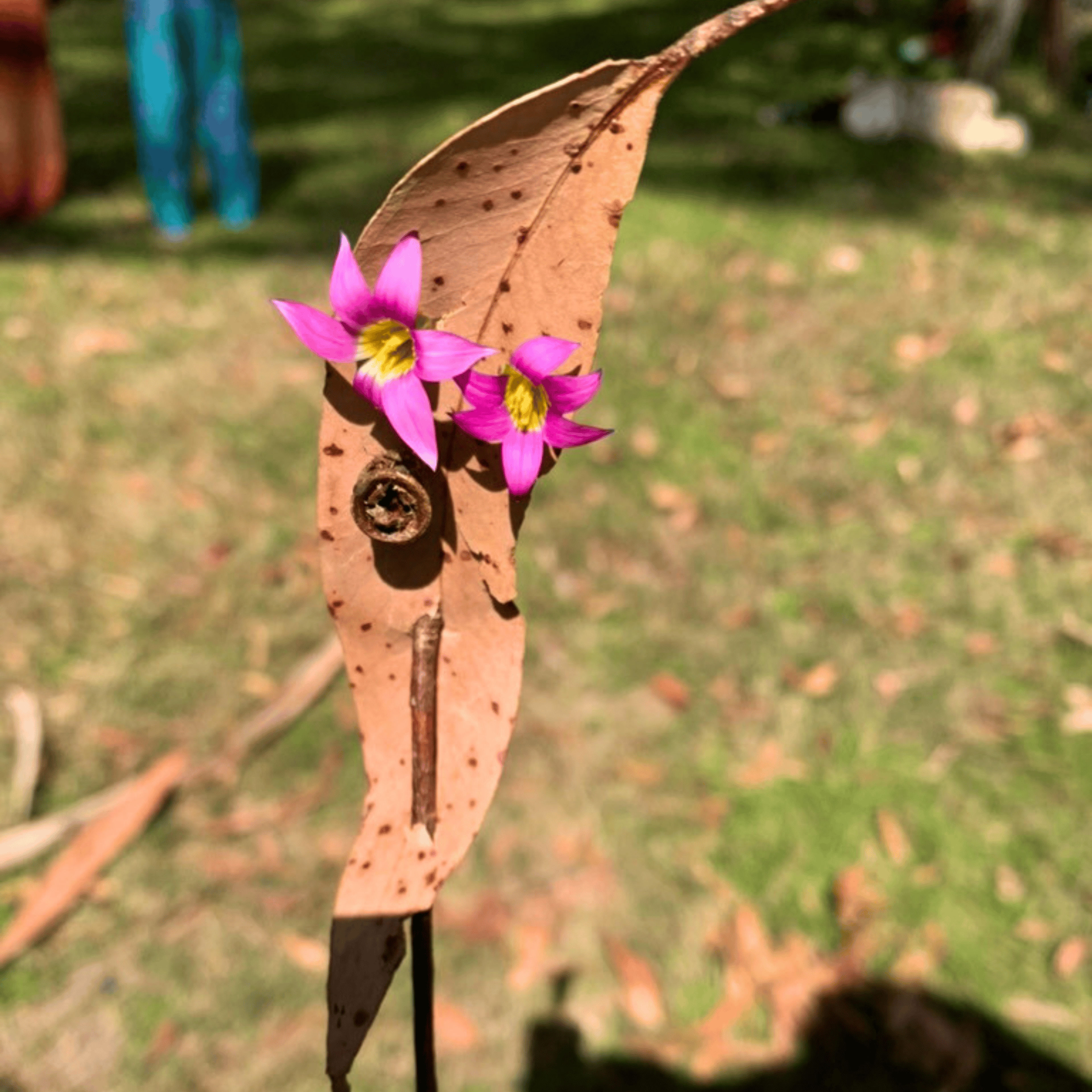
Turn everyday nature finds into playful works of art.
Using loose parts like leaves, sticks, flowers, shells, stones, or seed pods, you can arrange and design unique faces on the ground, a table, or wherever inspiration strikes. Each creation can be silly, expressive, realistic, or completely imaginative.
This activity encourages you to slow down and notice the colours, shapes, and textures around you in a new way. A curved leaf might become a smile, pebbles could turn into eyes, and flowers might transform into wild hair. The possibilities change depending on what you discover in nature.
This can be enjoyed almost anywhere, from the beach to the backyard or local park, making it an easy and calming way to spend time outdoors. It is just as engaging for grownups as it is for children, offering a mindful and creative experience with no pressure for perfection.
For children, this type of loose parts play supports creativity, problem-solving, spatial awareness, and fine motor skills. For grownups, it provides an opportunity to slow down, reconnect with nature, and engage in playful creativity.
Each face becomes a temporary little masterpiece, reminding us that creativity can emerge from even the simplest materials.
Materials
Prep
Visit a natural space such as a park, beach, or garden.
Play
Step 1:
Gather a collection of loose natural materials from the ground.
Step 2:
If you're not sure where to start, begin by choosing items for the eyes, nose, and mouth.
Step 3:
Arrange materials into a face shape or portrait.
Step 4:
Experiment with different expressions, hairstyles, or features.
Step 5:
Add extra details using smaller loose parts.
Step 6:
Rearrange and create new faces using different combinations.
Extend
Emotion Faces: Create happy, surprised, sleepy, or silly expressions.
Family Portraits: Build faces inspired by family members or pets.
Nature puppets: Try making your own puppet by threading a big leaf onto a twig then poking small nature items in it to build a face.
Colour Hunt: Challenge yourselves to create faces using only certain colours.
Photo Gallery: Take photos of each creation before nature reclaims it